In today’s digital age, almost everything we do is logged and recorded in the vast expanse of cyberspace. From emails and texts to images and financial transactions, our lives are increasingly lived online, creating a wealth of digital evidence. This presents opportunities but also challenges. When cybercrimes, data breaches, or accidental data losses occur, how can investigators and professionals uncover the truth? Enter computer forensics – a science dedicated to the investigation of digital data to uncover hidden evidence. In this guide, we’ll explore the basics of computer forensics, its importance, key techniques, and how data recovery services play an essential role in the process.
What is Computer Forensics?
Computer forensics, also known as digital forensics, is the process of collecting, analyzing, and preserving digital data in a manner that is admissible in court or useful in investigations. Computer forensic investigators use scientific methods to recover and examine data from digital devices, including computers, hard drives, mobile phones, and servers. The goal is to find evidence of illegal activities, identify perpetrators, recover lost or deleted data, and ensure that data is handled correctly and securely throughout the investigation.
The key principle of computer forensics is maintaining the integrity of evidence. Any mishandling of digital data can jeopardize its legitimacy, making it inadmissible in court or unhelpful to an investigation. This is why forensic investigators follow strict protocols and guidelines when conducting an analysis.
Why is Computer Forensics Important?
Computer forensics serves a critical role in various scenarios, from criminal investigations to corporate data recovery. Here are some of the key reasons why computer forensics is so important:
1. Criminal Investigations
In the context of law enforcement, computer forensics is indispensable for solving crimes. Whether it’s fraud, identity theft, cyberbullying, or more severe crimes like cyberstalking or terrorism, digital evidence often plays a critical role in securing convictions or solving cases. For example, computer forensics can uncover critical information like emails, social media interactions, and internet search histories that link suspects to a crime.
2. Data Recovery
Sometimes, data loss happens unintentionally due to hardware failure, human error, or even a malicious attack like ransomware. Forensic investigators work with data recovery services to restore files, ensuring vital information is not lost forever. In business settings, the recovery of essential documents or databases can save an organization from significant financial losses or operational downtime.
3. Preventing Cybercrime
The proactive aspect of computer forensics involves identifying potential vulnerabilities in systems before they are exploited by cybercriminals. By analyzing systems and detecting weaknesses, organizations can patch security gaps and prevent future attacks.
4. Corporate Investigations
In corporate environments, computer forensics is often used to investigate insider threats, intellectual property theft, and data breaches. With sensitive company data at stake, forensics can help secure evidence and ensure that internal policies or laws are not being violated.
How Does Computer Forensics Work?
Computer forensics follows a structured process that ensures the chain of custody is preserved and that all evidence is collected, analyzed, and presented in a legally defensible manner. Here’s a breakdown of the key steps in the process:
1. Identification and Preservation of Evidence
The first step in computer forensics is identifying the digital devices or storage media that may contain relevant evidence. This could be anything from a computer hard drive to mobile phones, USB drives, or even cloud storage. The evidence must then be preserved by making an exact copy (or “image”) of the data, ensuring that the original data remains untouched during the analysis. This is essential to prevent any accidental alteration of evidence that could undermine the investigation.
In some cases, investigators may also need to freeze or disconnect a device to prevent remote tampering or ongoing malicious activity.
2. Data Imaging
Data imaging involves creating a bit-for-bit copy of a device’s storage media. This copy, called a forensic image, allows investigators to analyze the data without ever touching the original device. The forensic image serves as the basis for all subsequent analysis.
Data imaging is an essential part of the process to ensure that the integrity of the original data is maintained, and it also allows investigators to work with multiple copies of the same data when conducting their analysis.
3. Analysis
Once the data has been copied, forensic investigators begin the process of analyzing it. They search for relevant digital evidence, such as:
-
Deleted Files: Sometimes, digital evidence is deleted intentionally or accidentally. However, even after deletion, data can often be recovered using special forensic tools. This is where data recovery services play a pivotal role. Forensic experts utilize data recovery tools to retrieve files that were deleted but not overwritten, helping investigators uncover hidden or concealed information.
-
Metadata: Metadata is “data about data” — information embedded in files, such as the creation date, last access date, and modification times. Metadata can provide valuable context and help link evidence to specific times or individuals.
-
Email and Communication Logs: Analyzing email correspondence, text messages, or other forms of communication stored on the device can help investigators understand interactions related to criminal activity.
-
Internet History and Activity: Investigators examine the browser history, cookies, and cache files to reconstruct an individual’s online behavior. This can reveal important information like web searches, websites visited, and even social media activity.
-
Encryption and Password Cracking: In some cases, digital evidence may be encrypted or protected by passwords. Forensic experts may use specialized tools to attempt to break these encryptions or crack passwords to access locked data.
4. Data Recovery
Data recovery plays a critical role in computer forensics, especially when dealing with corrupted or damaged files. Forensic investigators rely on data recovery services to retrieve important files from damaged or physically broken storage devices. These services use specialized software and hardware tools to attempt data recovery, which can be especially helpful when standard methods fail.
In some cases, investigators also perform data recovery from cloud storage systems or remote servers. Tools like file carving help restore files that may have been partially overwritten or corrupted.
5. Reporting and Documentation
Forensic investigators must carefully document every step of the investigation, including the tools and methods used, the evidence discovered, and any challenges faced. This ensures that the evidence is handled correctly and is admissible in court. The report produced by forensic experts must be clear, concise, and supported by evidence. It must also explain how the digital evidence ties into the case, making it comprehensible for legal professionals, jurors, or other stakeholders.
The Role of Data Recovery Services in Computer Forensics
Data recovery services are indispensable in computer forensics. Whether it’s recovering data from damaged hardware, restoring files after accidental deletion, or retrieving data from compromised systems, data recovery services provide the expertise and tools necessary to recover critical information.
These services come into play in several ways:
-
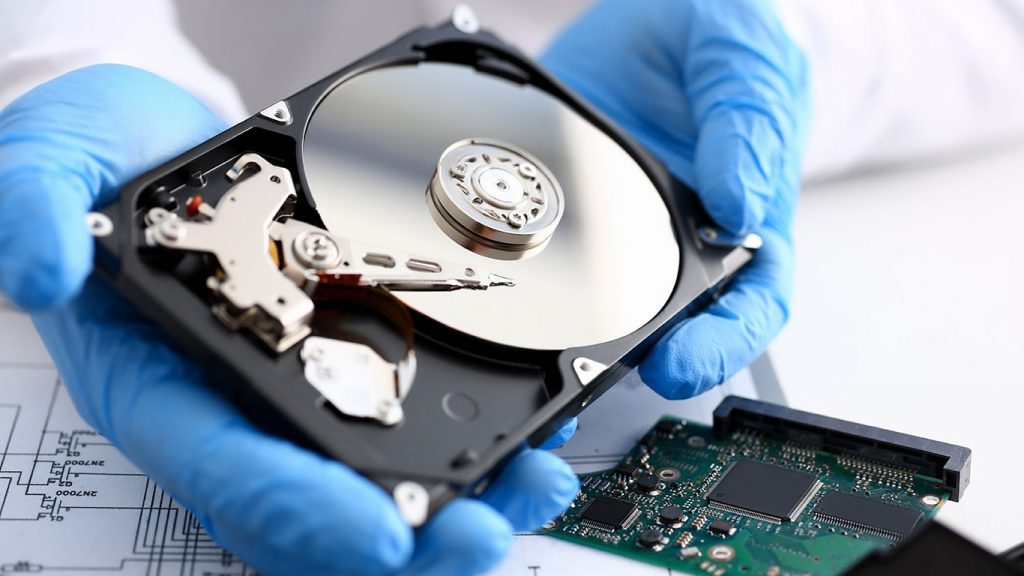
Hardware Failure: If a hard drive or SSD crashes, forensic investigators may need specialized data recovery tools to access the device’s internal structure and retrieve lost data.
-
File Corruption: Sometimes files become corrupted due to a virus, power outage, or system crash. Data recovery services help repair corrupted files and restore them to a usable state.
-
Deleted Files: Even when files are deleted from a device, they are often not truly gone. Instead, the space they occupy is marked as available for new data. With the right tools, forensic investigators can recover deleted files, which may hold key evidence.
-
Encrypted Data: Data recovery specialists also assist in cases where data is encrypted. They help decrypt files or recover encryption keys to access data that would otherwise be locked.
In forensic investigations, data recovery services work hand in hand with investigators, providing the necessary expertise to ensure that critical evidence is not lost.
Tools and Techniques Used in Computer Forensics
A variety of tools and techniques are employed by forensic investigators to carry out their analysis. Some of the most common tools include:
- FTK Imager: A popular tool used for creating forensic images of hard drives and other storage media.
- EnCase: A widely used forensic suite for data collection, analysis, and reporting.
- X1 Social Discovery: A tool used to analyze and recover social media data, emails, and other online communications.
- Cellebrite: A mobile forensics tool used to extract and analyze data from smartphones and tablets.
- Autopsy: An open-source forensic tool used for analyzing hard drives and recovering deleted files.
These tools are designed to ensure the integrity of evidence while also providing a thorough and efficient way to uncover digital information.
Conclusion
Cyber sleuthing, or computer forensics, is a crucial field in today’s digital world. From solving cybercrimes to recovering lost or deleted data, forensic investigators play a pivotal role in ensuring that digital evidence is properly analyzed and preserved. With the increasing reliance on technology, the demand for skilled computer forensics experts will only continue to grow.
Data recovery services are at the heart of many forensic investigations, providing critical assistance in restoring lost or damaged data. By using specialized tools, forensic experts can recover crucial evidence from seemingly unusable devices, helping to solve cases and secure vital information. Whether you’re a law enforcement officer, a business owner, or an individual in need of digital assistance, understanding the importance of computer forensics can help ensure that justice is served and your data is protected.